Dashkriya
Dashkriya Ritual (दशक्रिया विधी)
In India, Dashkriya is a highly important part of Hindu funeral rites. It consists of ten sacred post-death rituals performed to ensure that the departed soul attains peace and makes a proper transition to the next realm.
This ritual is primarily based on the Garuda Purana and Manusmriti, and is followed across India with regional variations, particularly in Maharashtra, Gujarat, and South and North India.
Meaning of Dashkriya
Dash = Ten
Kriya = Rituals / Actions
Hence, Dashkriya refers to the ten post-death religious ceremonies performed for the deceased. These rituals help the soul transition toward the ancestral (Pitru) realm.
Purpose of Dashkriya
Break the connection of the soul with the physical body.
Purify the soul’s past karmas and guide it toward Moksha (liberation).
Symbolically provide nourishment to the soul through Pind Daan and Tarpan.
Offer mental peace and purification to family members.
Facilitate the soul’s entry into the Pitru Lok (ancestral realm).
Typical Ten-Day Dashkriya Rituals
(Regional variations may exist)
Day 1 – Antyeshti (Cremation)
Cremation of the body is performed. The soul begins its journey to the afterlife.
Ashes are generally collected on the 3rd day.
Days 2–3 – Ash Collection and Immersion
Remaining ashes are collected and immersed in a holy river like the Ganga or Godavari.
Days 4–9 – Daily Shraddh and Pind Daan
Pind Daan is performed daily to gradually free the soul from worldly attachments.
Day 10 – Main Dashkriya
This is the most important day.
The soul is given a subtle new body through ten symbolic pindas.
On this day, the soul enters the Pitru (ancestor) state.
Day 11 – Ekadash Shraddh
Family purification is performed. The home is ritually cleansed, and daily life resumes gradually.
Days 12–13 – Sapindi Shraddh
The soul is formally merged with ancestors.
Food is offered to Brahmins and relatives.
Key Rituals in Dashkriya
Pind Daan – Symbolic nourishment of the soul using rice balls or cooked rice.
Tarpan – Offering of water and sesame seeds.
Daan (Charity) – Offering food, clothes, or Dakshina to Brahmins.
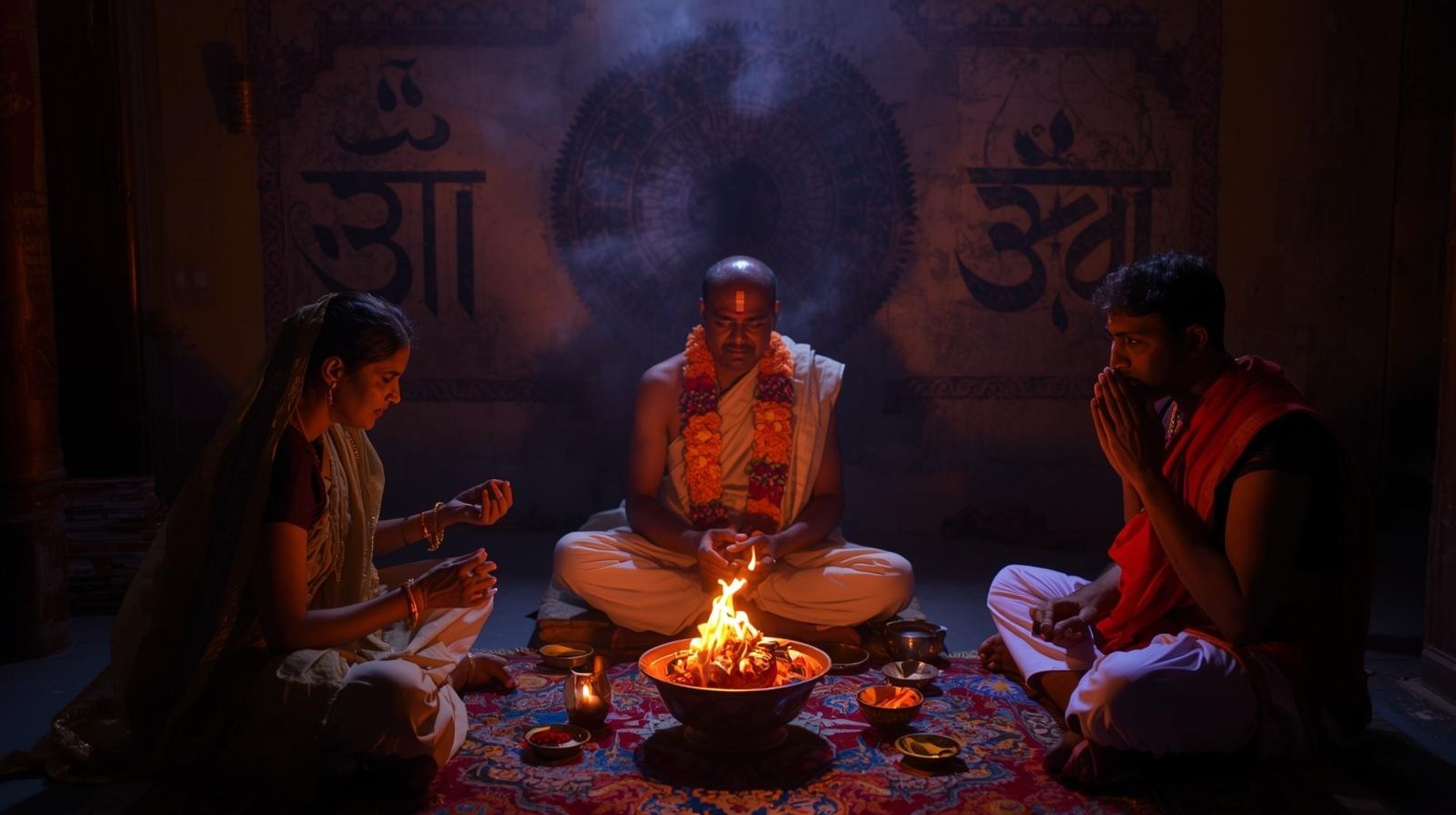
Mantra Recitation and Hom – Vedic mantras purify the soul.
Charity to Crows, Cows, and Brahmins – Believed to reach the departed souls.
Shayya Daan – Donating a bed or cot, considered highly meritorious.
Major Sacred Places for Dashkriya
Performing Dashkriya at these sites is considered especially auspicious:
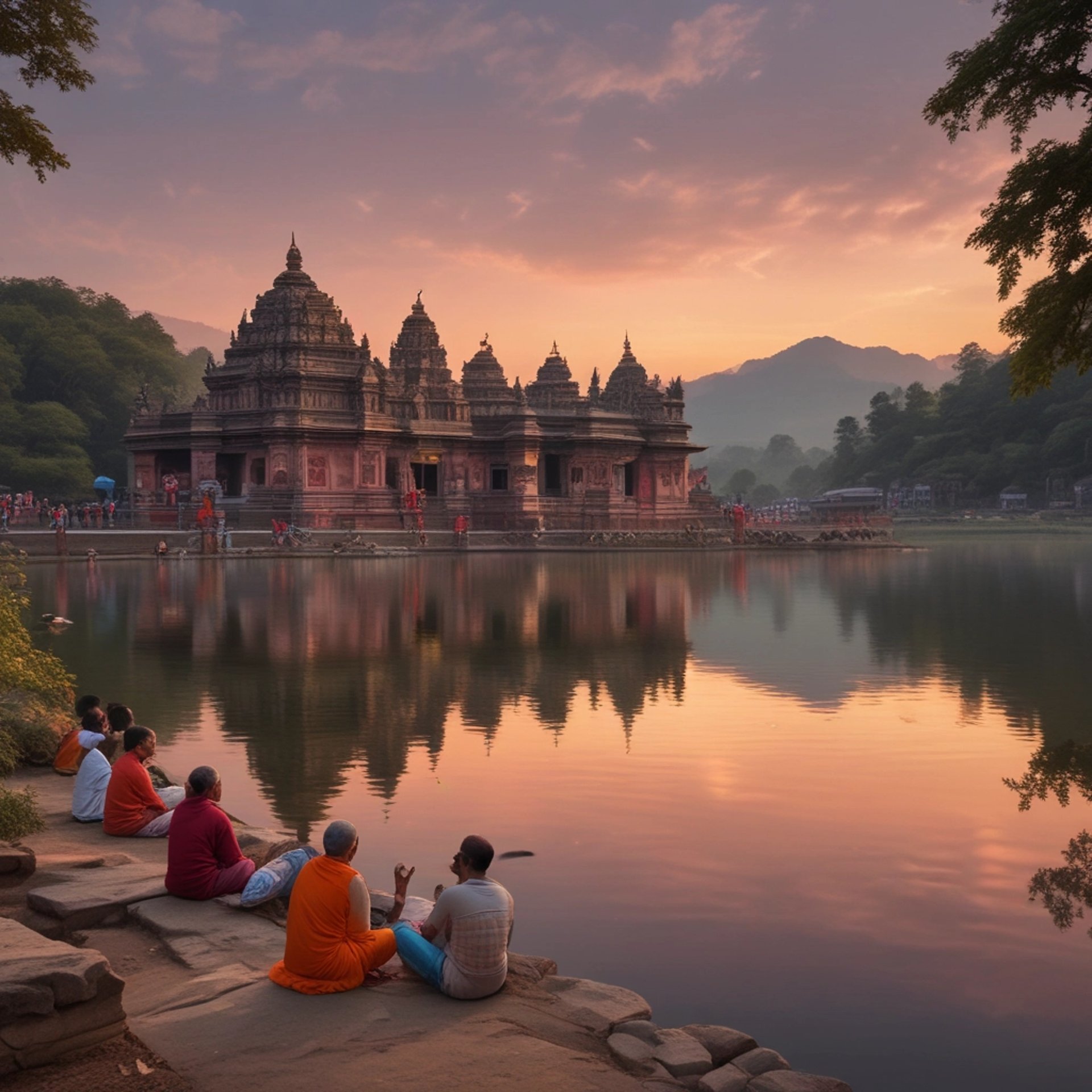
Panchavati, Ramkund – Nashik, Maharashtra
Experienced priests guide the family through the rituals at these holy locations.
Spiritual Significance
Completes the soul’s journey from the preta (ghost) stage to the Pitru stage.
Grants the soul liberation from physical attachments and peace.
Relieves the family’s grief and restores balance in life.


Other Pujas:
Pujas In Nashik:
Pujas In Trimbakeshwar: