Asthi Visarjan
Asthi Visarjan (Immersion of Ashes)
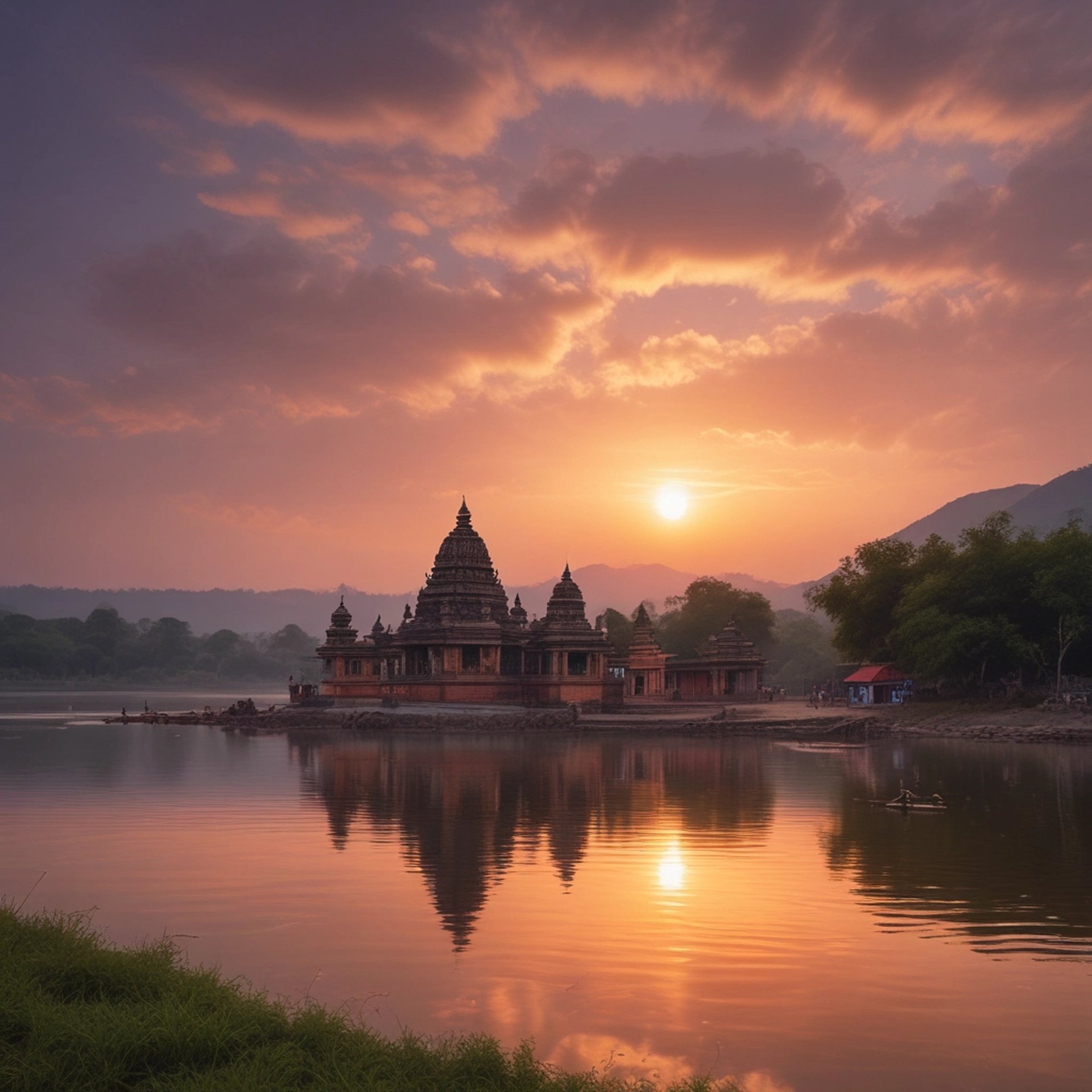
In India, Asthi Visarjan is considered a highly sacred and important post-funeral ritual in Hindu tradition. This ceremony involves immersing the remaining bones and ashes of the deceased in a holy river (typically the Ganga). It symbolizes the soul’s final liberation from the physical world.
This ritual marks the end of a person’s worldly journey and helps the soul attain peace and Moksha (liberation).
Meaning of Asthi Visarjan
Asthi → Remaining bones after cremation
Visarjan → Immersion in water
Thus, Asthi Visarjan means immersing the ashes of the deceased into sacred water.
Purpose of the Ritual
According to Hindu scriptures (Garuda Purana, Manusmriti, Vishnusmriti):
Water purifies everything; immersing the ashes breaks the bond between the soul and the body.
Ensures the soul’s smooth and peaceful journey.
Marks the completion of funeral rites and gives family members a chance to express gratitude and love.
Initiates the family’s mourning and purification process.
When is Asthi Visarjan Performed?
Generally on the 3rd, 5th, 7th, 9th, or 10th day after cremation, once the ashes are collected.
In some places, it is done on the first auspicious date available.
If immediate travel is not possible, the ashes are kept safely in a Kalash (pot) and immersed later at a sacred location.
Step-by-Step Asthi Visarjan Ritual
Collection of Ashes
After the pyre has cooled (usually the next day), ashes are collected using bamboo tongs.
Placed in a clay or copper Kalash, wrapped with cloth and sacred thread.
Sankalp (Resolve)
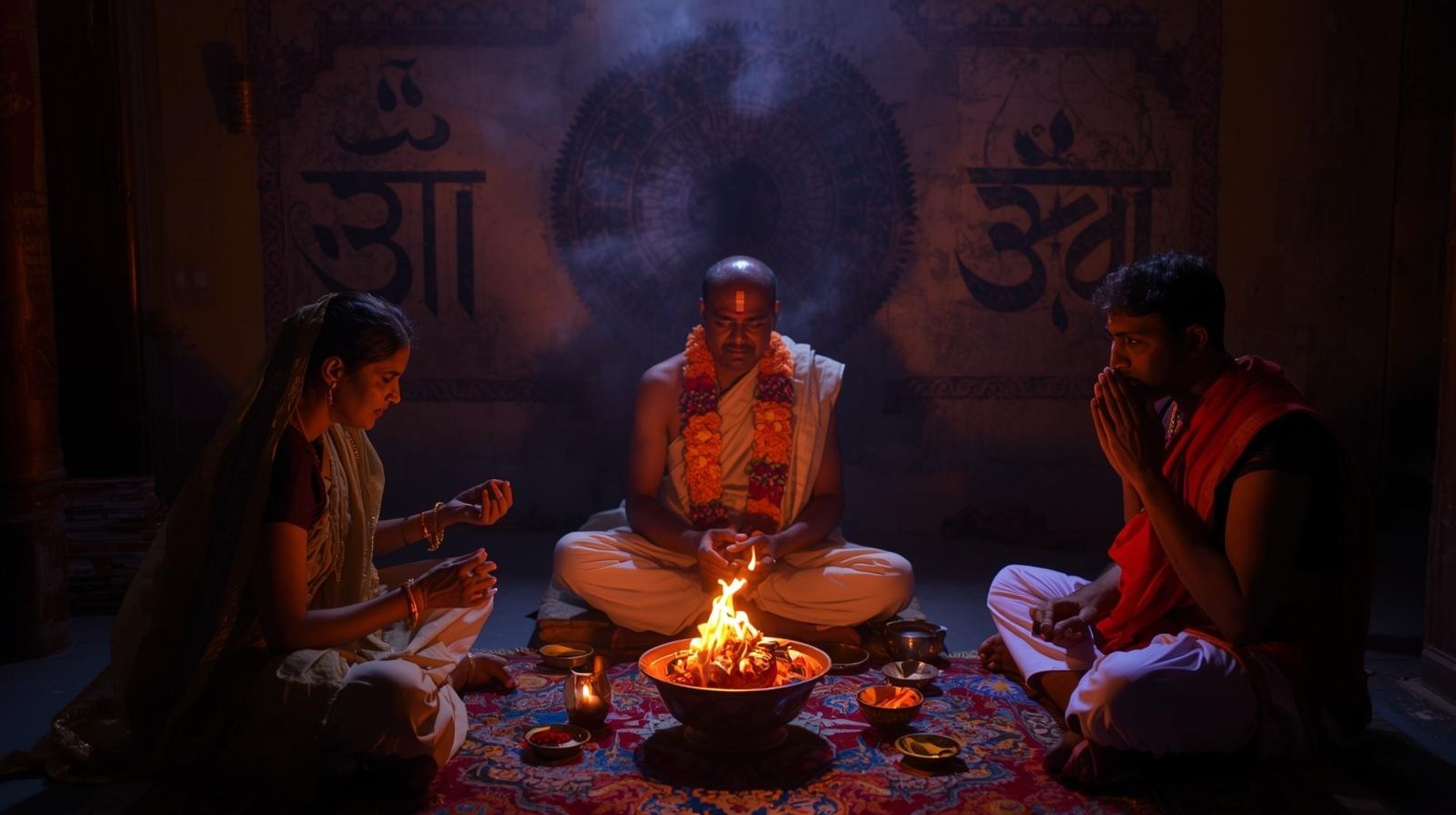
The priest makes a Sankalp stating the deceased’s name, gotra, and the purpose of immersion for the soul’s peace.
Puja and Offerings
Flowers, milk, cow urine, cow dung, ash, darbha grass, honey, black sesame, and Ganga water are offered.
Rigveda and Garuda Purana mantras are recited.
Pind Daan and Tarpan (offering to ancestors) may also be performed.
Immersion (Visarjan)
Ashes are slowly immersed in sacred water while chanting mantras such as:
“ॐ नमो भगवते वासुदेवाय”
“ॐ नमः शिवाय”
Final Prayers and Charity
Prayers are offered to the river goddess (Ganga Mata or local deity).
Donations of food, clothes, and other offerings are made to Brahmins.
Major Sacred Places for Asthi Visarjan in India
Panchavati, Ramkund – Nashik, Maharashtra
Common Mantras
Ganga Stotra
Mahamrityunjaya Mantra
Pitru Tarpan Mantra
Shanti Paath
Spiritual Significance
Symbolizes the body merging with the five elements.
The soul is eternal and continues its journey after death.
Expresses final love, duty, and gratitude toward the deceased.
"Born from the earth, merged into the earth — water leads us to the infinite."
Post-Asthivisarjan Rituals
Dashakriya / Tripindi Shraddh
Pitru Tarpan on Amavasya
Annual Shraddh (Varsh Shraddh) according to tithi
Other Pujas:
Pujas In Nashik:
Pujas In Trimbakeshwar: